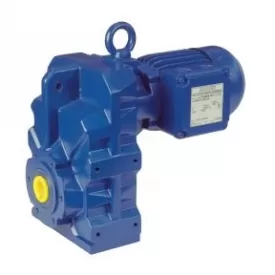
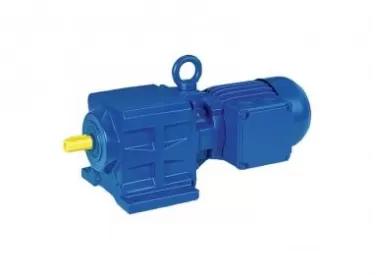
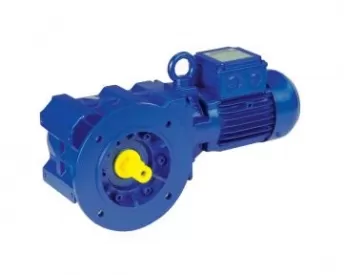
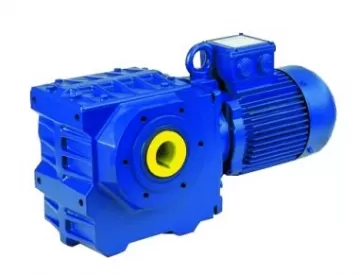
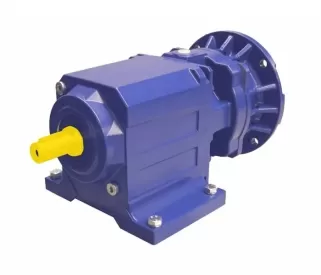
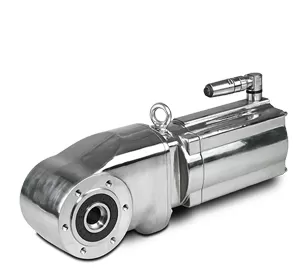
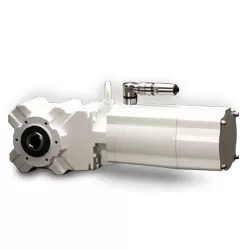
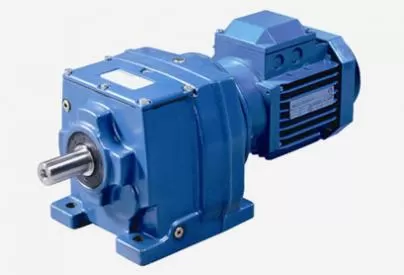
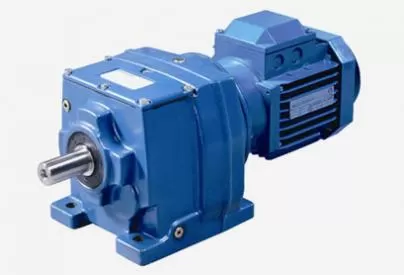
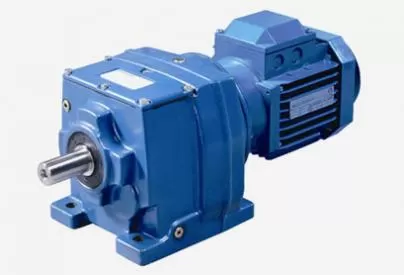
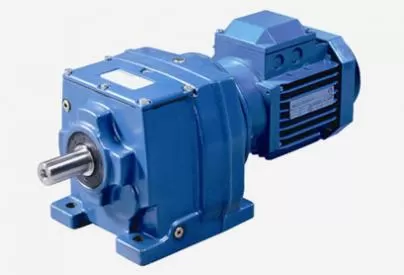
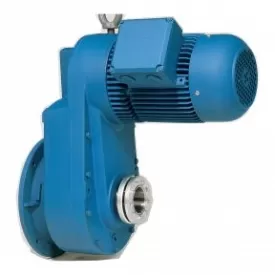
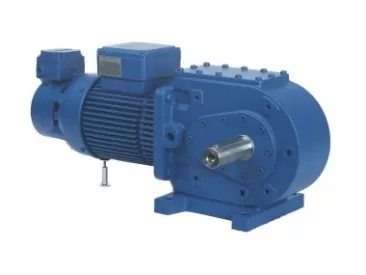
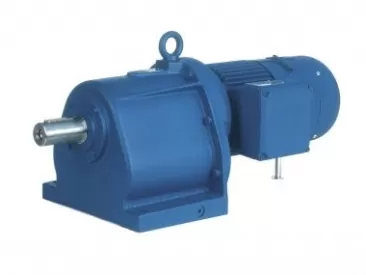
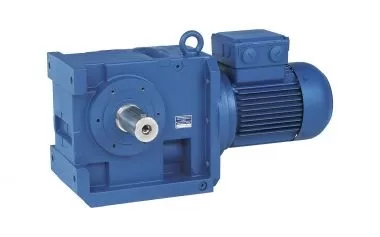
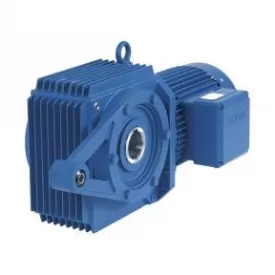
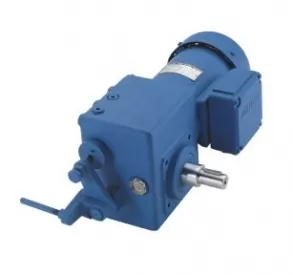
Right angle gear motors are used in medical applications, industrial equipment, food conveyors, packaging equipment, material handling equipment, and more. A right angle gear motor is the optimal choice where space is limited. The right angle gear motor is expected to operate with top efficiency, speed, and torque within a small space.
Break Down of a Right Angle Gear Motor
The right angle refers to the 90 degrees turn. The gears are the interlocking toothed wheels providing the machine more torque and speed. The motor converts energy to perform a task.
A right angle gear motor can consist of different types of gears to achieve different results. The combination of some types of gears can produce more torque, run quieter, or enable better control of speeds.
Offset Gears. Food equipment or pump dispensers usually use offset gears, where several gears power the central shaft of the motor to a parallel access.
Spur Gears. Spur gears have teeth cut parallel to the shaft, and reduces speed as more gears are used.
Helical Gears. Used in a similar fashion, helical gears have teeth cut at an angle instead, producing less stress to the motor and running more quietly.
Spiral Bevel Gears. Although a spiral bevel gear acts like a helical gear, the teeth are spiral-shaped and is even quieter.
Hypoid Gears. Hypoid gears allows installation of bearings for increased support, and are similar to spiral bevel gears but do not interest with the shaft.
Worm Gears. Worm gears are longer and resemble screws with threads, interlocking with a larger gear. With several worm gear rotations, it is equivalent of one gear rotation. Worm gears are excellent for single stage reduction speeds.
Right angle gear motors are used in medical applications, industrial equipment, food conveyors, packaging equipment, material handling equipment, and more. A right angle gear motor is the optimal choice where space is limited. The right angle gear motor is expected to operate with top efficiency, speed, and torque within a small space.
Break Down of a Right Angle Gear Motor
The right angle refers to the 90 degrees turn. The gears are the interlocking toothed wheels providing the machine more torque and speed. The motor converts energy to perform a task.
A right angle gear motor can consist of different types of gears to achieve different results. The combination of some types of gears can produce more torque, run quieter, or enable better control of speeds.
Offset Gears. Food equipment or pump dispensers usually use offset gears, where several gears power the central shaft of the motor to a parallel access.
Spur Gears. Spur gears have teeth cut parallel to the shaft, and reduces speed as more gears are used.
Helical Gears. Used in a similar fashion, helical gears have teeth cut at an angle instead, producing less stress to the motor and running more quietly.
Spiral Bevel Gears. Although a spiral bevel gear acts like a helical gear, the teeth are spiral-shaped and is even quieter.
Hypoid Gears. Hypoid gears allows installation of bearings for increased support, and are similar to spiral bevel gears but do not interest with the shaft.
Worm Gears. Worm gears are longer and resemble screws with threads, interlocking with a larger gear. With several worm gear rotations, it is equivalent of one gear rotation. Worm gears are excellent for single stage reduction speeds.