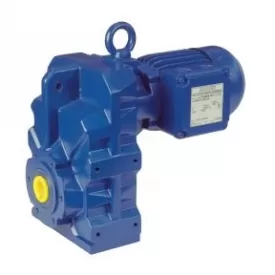
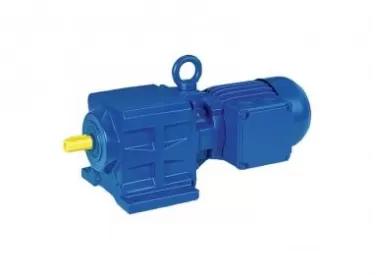
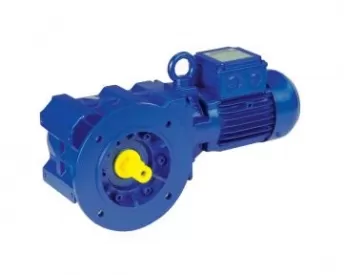
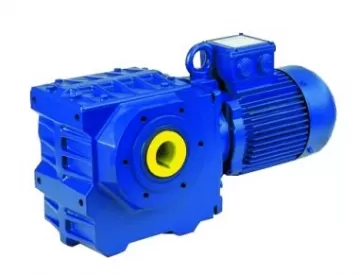
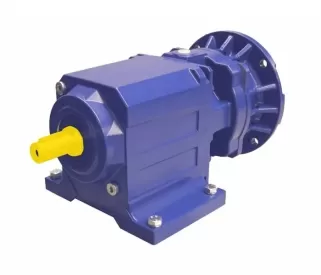
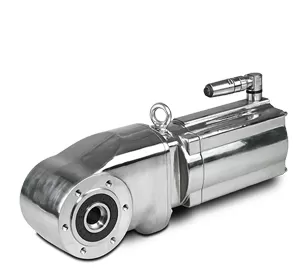
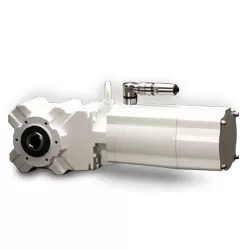
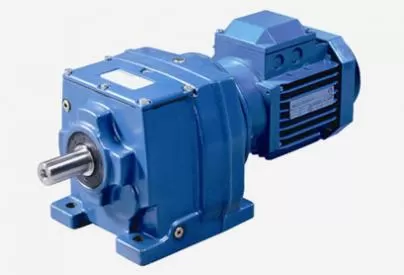
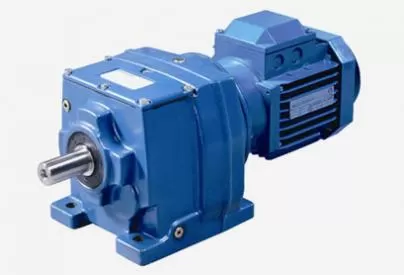
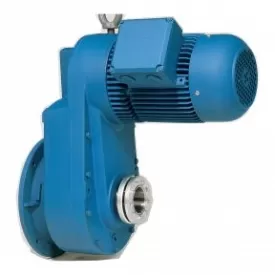
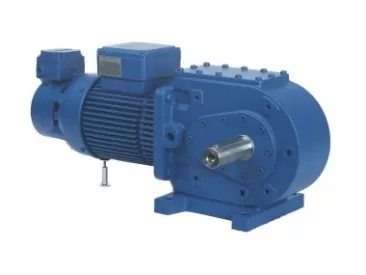
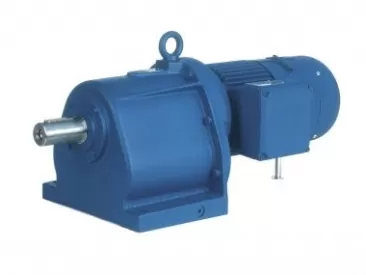
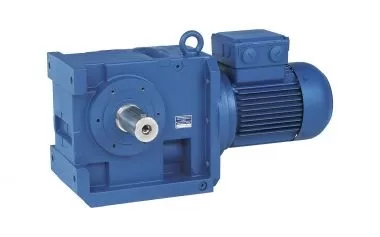
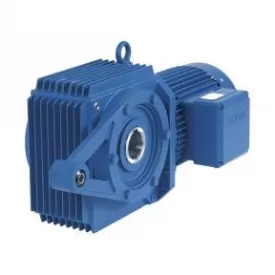
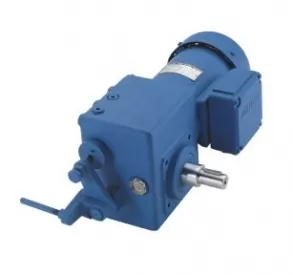
AC gear motors are designed to provide impressive force or torque while operating at low speeds. They have commendable revolutions per minute, also known as RPMs, that help in various applications. AC gear motors also use magnetic fields to achieve impressive results. Common applications of AC gear motors include cranes, power tools, some home appliances, etc.
How does an AC gear motor work?
An AC gear motor relies on primary and secondary windings, or magnets to provide impressive load-bearing capacity while working at a low speed. When attached to an electric outlet, the primary winding receives energy. This is followed by an induction process where the secondary winding receives power from the primary winding without touching it. Combining an AC gear motor with gears or gearboxes reduces the speed of the gears which creates torque.
An AC gear motor also has a reduction shaft that connects the gearbox to the main shaft and motor rotor, which is the rotating part of the motor, or armature. The reduction shaft also uses reduction gears. The output of the final gear depends on the number of reduction gears present. The more reduction gears present, the lower the output of the final gear. The gear motor's stator contains coils on a motor's exterior that create a stationary magnetic field. The winding or coils in a gear motor are insulated wires that could be found around a motor's core. These wires are capable of receiving or creating electromagnetic energy.
A wall clock is a fine example of an AC gear motor. This gear can spin the clock's hands up to 1500 RPMs. However, many reduction gears slow down the speed of the hands. Visit Bauer GMC to source highly durable gear motors and AC drives. We assure quality products and trusted customer service. Speak to us today.
AC gear motors are designed to provide impressive force or torque while operating at low speeds. They have commendable revolutions per minute, also known as RPMs, that help in various applications. AC gear motors also use magnetic fields to achieve impressive results. Common applications of AC gear motors include cranes, power tools, some home appliances, etc.
How does an AC gear motor work?
An AC gear motor relies on primary and secondary windings, or magnets to provide impressive load-bearing capacity while working at a low speed. When attached to an electric outlet, the primary winding receives energy. This is followed by an induction process where the secondary winding receives power from the primary winding without touching it. Combining an AC gear motor with gears or gearboxes reduces the speed of the gears which creates torque.
An AC gear motor also has a reduction shaft that connects the gearbox to the main shaft and motor rotor, which is the rotating part of the motor, or armature. The reduction shaft also uses reduction gears. The output of the final gear depends on the number of reduction gears present. The more reduction gears present, the lower the output of the final gear. The gear motor's stator contains coils on a motor's exterior that create a stationary magnetic field. The winding or coils in a gear motor are insulated wires that could be found around a motor's core. These wires are capable of receiving or creating electromagnetic energy.
A wall clock is a fine example of an AC gear motor. This gear can spin the clock's hands up to 1500 RPMs. However, many reduction gears slow down the speed of the hands. Visit Bauer GMC to source highly durable gear motors and AC drives. We assure quality products and trusted customer service. Speak to us today.