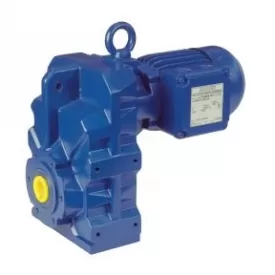
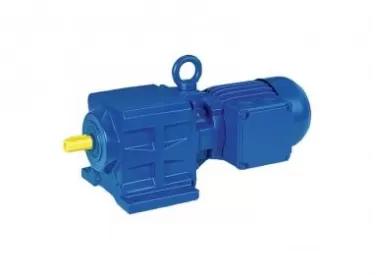
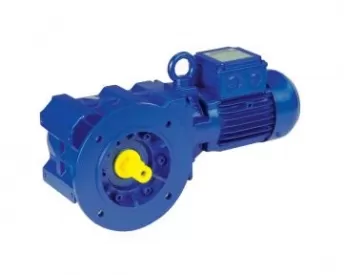
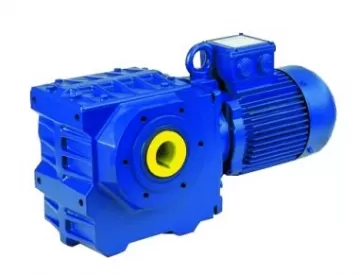
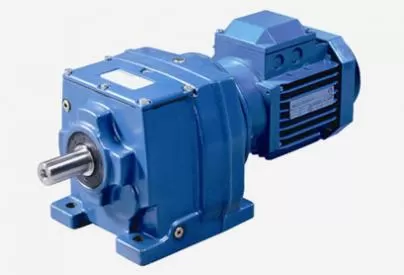
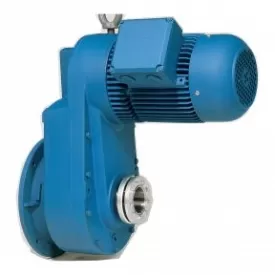
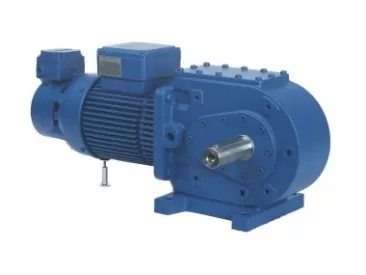
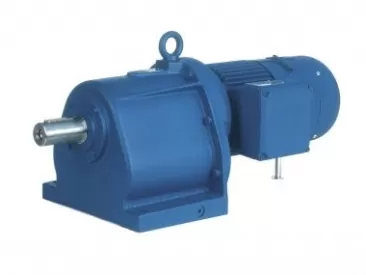
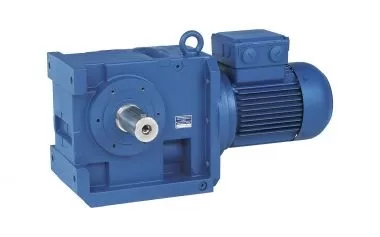
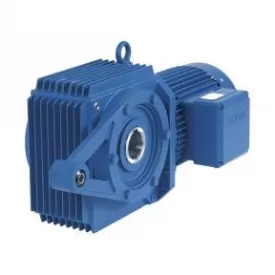
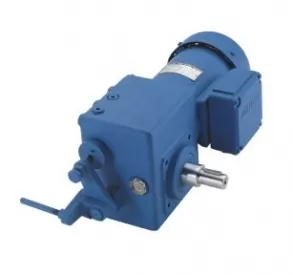
AC drives play a pivotal role for industrial applications in the HVAC industry. Whether it’s air handling, or use in pumps and chillers – there’s no denying the utility of ac drives for use in various HVAC systems.
AC-type drives are powerful electric motors by design, and are favourable for the lack of mess they leave behind in comparison to more traditional gasoline and oil-powered motors. AC-type drives also work efficiently without compromising on output of power.
In today’s blog, we’ll discuss the reasons why the ac-type drive has become such a fundamental part of many HVAC applications.
Understanding AC Drive Operational Components
There are three integral components of the ac-type drive that are essential for understanding its operations.
- Rectifier – the rectifier is used to effectively convert AC voltage into DC power output. There are typically two rectifiers that are part of an ac-type drive’s configuration. Each playing a different role in the conversion of power.
- DC Bus – the DC bus holds capacitators as a means to transfer and store power from the rectifier. The DC bus is later able to transfer that power into the inverter section of the configuration.
- Inverter – the inverter is composed of transistors that transfer power from the DC bus into the motor.
Maximizing Efficiency
One reason why the AC-type drive is so prevalent in the HVAC industry is because of its ability to maximize efficiency. The AC-type drive is capable of using renewable energy sources in addition to conventional energy sources. The ability for AC-type drives to use different types of energy sources can allow for more energy-efficient power output, while not compromising on overall strength of power. This can save time and money in the long-run.
Powerful by Design
AC-type drives are just as powerful as they are efficient. As power is converted into various forms – motion, heat, etc. it can be understood as total power (or energy). AC-type drives offer a full power load primarily due to the configuration’s capacitators. Capacitators are used to mitigate any power imbalances in addition to the transferal and storage of power.
AC drives play a pivotal role for industrial applications in the HVAC industry. Whether it’s air handling, or use in pumps and chillers – there’s no denying the utility of ac drives for use in various HVAC systems.
AC-type drives are powerful electric motors by design, and are favourable for the lack of mess they leave behind in comparison to more traditional gasoline and oil-powered motors. AC-type drives also work efficiently without compromising on output of power.
In today’s blog, we’ll discuss the reasons why the ac-type drive has become such a fundamental part of many HVAC applications.
Understanding AC Drive Operational Components
There are three integral components of the ac-type drive that are essential for understanding its operations.
- Rectifier – the rectifier is used to effectively convert AC voltage into DC power output. There are typically two rectifiers that are part of an ac-type drive’s configuration. Each playing a different role in the conversion of power.
- DC Bus – the DC bus holds capacitators as a means to transfer and store power from the rectifier. The DC bus is later able to transfer that power into the inverter section of the configuration.
- Inverter – the inverter is composed of transistors that transfer power from the DC bus into the motor.
Maximizing Efficiency
One reason why the AC-type drive is so prevalent in the HVAC industry is because of its ability to maximize efficiency. The AC-type drive is capable of using renewable energy sources in addition to conventional energy sources. The ability for AC-type drives to use different types of energy sources can allow for more energy-efficient power output, while not compromising on overall strength of power. This can save time and money in the long-run.
Powerful by Design
AC-type drives are just as powerful as they are efficient. As power is converted into various forms – motion, heat, etc. it can be understood as total power (or energy). AC-type drives offer a full power load primarily due to the configuration’s capacitators. Capacitators are used to mitigate any power imbalances in addition to the transferal and storage of power.